
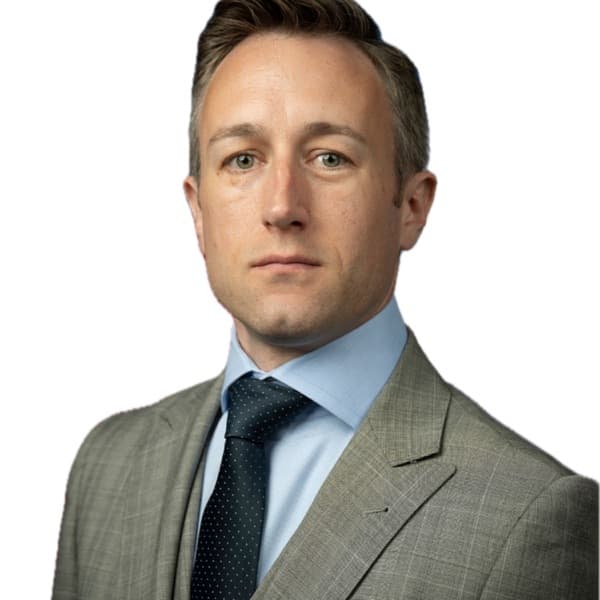
The story of Rob
Frequent moves and a mission found through Katrina
Rob moved repeatedly as a child because of his father's government assignments, including several years in London followed by moves to California and the New York and Connecticut area. The experience repeatedly disrupted his surroundings and later helped him understand how identity, purpose, and community can shift under pressure. He entered college expecting to become a dentist, moved toward broadcasting, and then burned out on that direction.
In 2005, Hurricane Katrina changed his focus. Watching evacuees forced to leave pets behind revealed a planning gap that he could not ignore. He enrolled in an early master's program in emergency and disaster management and found work that combined complex problem solving with direct service to people facing severe disruption.
Moving attention from attacks to the pathway before them
Across two decades in emergency management, Rob became frustrated that institutions often spend heavily on cameras, reinforced buildings, drills, and response while calling all of it prevention. He separates those protective measures from the earlier work of understanding why a person is moving toward violence. His model examines cumulative life events, grievances, isolation, and the loss of identity, purpose, or community.
The challenge is rarely a total absence of reporting. Schools, police, clinicians, and families may each hold a fragment of the story without a coordinated process for acting on it. Rob argues that these disconnected signals can become a series of unresolved pressures, and that intervention requires learning the person's path before focusing only on the final threatening behavior.
Coordinating human-focused prevention through TVTP Solutions
TVTP Solutions helps schools, towns, and businesses develop awareness, training, technical expertise, and behavioral threat assessment teams. These teams bring together people from different systems, including educators, law enforcement, mental health services, transportation, and other community roles that may observe changes over time. The goal is to identify coordination gaps and connect a person with useful support before a crisis reaches the stage where protection or response becomes necessary.
Rob is also expanding short educational content through the company's YouTube channel and spreading a clearer definition of prevention. As AI reshapes work, he expects identity disruption to grow, but he still treats human conversation as essential because a prediction or alert cannot replace the relationship needed to redirect someone toward a safer path.