
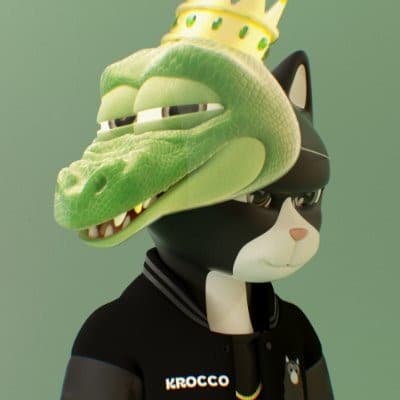
The story of Mr. Kat
Finding Home Through Images and People
Mr. Kat was born in Madrid, moved to the United States as an infant, and spent much of his life outside Spain. Moving between languages and countries made adaptation familiar, but it also changed his idea of home. He came to define home through people and memory rather than a fixed place. Art was woven through those memories.
His mother gave him clean paper and sharpened pencils, while visits to family in Madrid exposed him to paintings by earlier generations. As a child, he experimented with eraser fragments and accidental shapes, looking for characters hidden inside disorder. That habit became a lasting creative method: observe closely, connect fragments, and allow an image to reveal a direction. Travel later reinforced the same lesson by making discomfort, curiosity, and rapid adjustment part of his normal working state.
Leaving the Expected Route to Rebuild a Practice
Mr. Kat developed a professional design career, then chose to leave a job and travel around the world. The decision interrupted a stable path but deepened the cross-cultural observation that already shaped his work. In practice, he learned to balance free exploration with commercial constraints. He described two kinds of growth: extending an established style and undertaking difficult technical learning that temporarily breaks creative flow.
Major client work for companies such as Nike required not only attractive images but systems that could support characters, clothing, movement, and future variations. Web3 introduced another pressure. Long engagements tied artists to teams whose funding and execution could change quickly. He responded by dividing projects into stages, setting clear briefs, and treating professionalism as protection for both the artist and the founder.
Characters That Communities Can Inhabit
In Web3, Mr. Kat found a direct connection between character design and personal identity. His work for projects including A Kid Called Beast built on years of commercial 3D production, but digital ownership added a new relationship between artist and audience. People could use a character as a public representation of themselves, not merely view it as an image. At the time of the interview, he was also beginning a more personal chapter through a signed Mr.
Kat open edition and a limited designer collaboration. He discussed giving collectors useful files and creating pathways for communities to commission character work together. Several additional Web3 characters were already in production. The throughline remained research and collaboration: listen for the founder's real intent, translate it into a coherent visual system, then execute with enough craft that the final character still carries the energy of the original brief.