
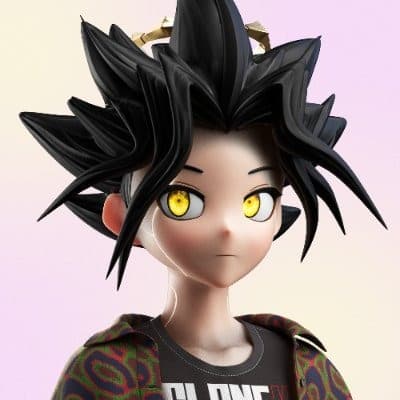
The story of Kevin
Recognizing a life in games
Kevin discovered his vocation before age ten when pinball machines and arcade games captured his attention at a roller rink. Because game design had no clear educational path, he immersed himself in play, music, and small acts of invention. He turned waiting rooms into improvised games for other children and recognized that creating enjoyment for people came naturally to him.
A teacher also identified his ability to recognize musical pitch, which led him toward choir and music. Growing up in Texas, he absorbed a culture of everyday courtesy and openness, even though he remained deeply introverted. That combination of curiosity, dexterity, music, competition, and attention to other people's enjoyment became the foundation of a career centered on designing approachable, satisfying experiences.
Earning trust through finished work
Kevin studied programming as a practical route into games and brought three self-made demos to his interview at Monolith, where the work demonstrated his commitment more effectively than a resume alone. He later moved from programming into design and proposed himself as the person to lead Dungeon Siege II, eventually guiding a team of about forty-five people while managing intense imposter syndrome. At Microsoft, he helped modernize Solitaire and other classic casual games, balancing revenue with player experience.
He learned that designers need representation in leadership, that confidence can coexist with humility, and that past accomplishments provide useful reference points during uncertain work. Across the industry, his consistent advice is to improve a game someone already loves, show the result, and let tangible contribution prove readiness.
Designing Project O around player choice
Kevin became interested in blockchain games in 2017 because he saw an unexplored intersection between ownership technology and user experience. During the 2021 NFT boom, he read project materials, offered founders product feedback, and looked for a team with a credible long-term approach. Koin Games founder Tim stood out by making limited promises and inviting a community to build alongside the studio. Their shared commitment to balancing business needs with player experience led Kevin to join as a cofounder.
Project O is designed as an accessible but competitive digital trading card game. Its progression system lets returning players resume near where they stopped, and its Web3 layer separates play-focused participants from collectors and speculators while allowing movement between them. The team is now expanding a polished pre-alpha experience room by room with continuous community feedback.