
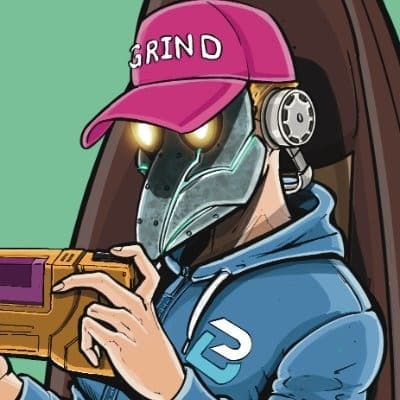
The story of Doc
Adaptation, learning, and an early business
Doc's first business began at seven in Silverton, Colorado, where children sold rocks to train tourists. After a passerby paid him for spinning guns while dressed as a cowboy, he shifted toward the performance and earned far more than he had selling ore. His childhood later became unstable, and he spent time moving among homes and living on the streets in Vancouver.
He describes adaptation as the ability to change environments, relationships, and daily choices rather than accepting a situation as permanent. A community center gave him access to food and hockey, while self directed education and reading supported his interest in technology. Those experiences also made ordinary stability, including housing and running water, a continuing source of gratitude rather than an invisible default.
Service, humility, and owning the audience
Doc joined the Navy as a Corpsman because he wanted to save lives rather than take them. After an injury, he moved into hospital business analytics and built reporting systems around access to care and emergency use. The military also gave him a direct lesson in humility when a senior colleague challenged the way he displayed his intelligence during a dispute. After leaving service, Doc built a social media marketing agency and later worked at VaynerMedia.
He learned that attention on a platform is only controlled temporarily, while email lists and direct relationships are assets a company can retain. His marketing approach favors underpriced attention, live experiences, useful participation, and physical artifacts.
Doc describes creating a custom dice set for Baldur’s Gate players and seeing gamers follow that useful addition back to his team. His example of underpriced attention starts with something an existing gaming community wants, rather than asking that community to care about a new crypto project. Listen at 47:09
He also entered crypto early but rejected models that placed financial speculation ahead of customers, products, and real revenue.
A gaming company with physical stakes
Blue Box Gaming is building Realm Striders as a company and story world rather than a short term digital project. Its first limited release, The Sovereign, combines digital characters with membership and wholesale rights tied to future physical and digital products. The larger plan includes comics, tabletop systems, player rewards, and a pass that can recognize gaming activity across existing platforms.
Instead of leaving every reward inside one game, the company plans to send qualifying players physical items such as comics or collectibles. Doc treats Web3 as one component of the technology stack, useful for ownership and programmable participation but not a substitute for product quality. His longer term sequence is to prove operations and fulfillment first, then form a cooperative style decentralized organization around demonstrated results.