
The story of Mike Merker
Computers, puzzles, and an unconventional learner
Mike's earliest technology memories come from a Toronto basement in the late 1980s, where his mother worked with computer systems and kept several machines. Before graphical interfaces were common, he learned commands, spreadsheets, and games that connected work, numbers, and play. Puzzles became another important focus, giving him a way to concentrate when school and social settings felt overwhelming.
He often disrupted class and struggled with reading, attention, and conventional expectations, even while showing unusual strength in mathematics, systems, and pattern recognition. Religious schooling and later public education produced repeated conflict over rules and conformity. With time, Mike learned to treat self knowledge as practical work: stepping away when overstimulated, recognizing that criticism can contain other people's pressures, and making room for strengths and limitations without reducing either to a moral judgment.
Leaving the safe path and learning across cultures
Mike entered chemical engineering at the University of Toronto after working toward a profession that made sense to his family. Within months, he realized the laboratory and career path did not fit him and left the program after an emotional meeting with administrators. He then spent years traveling, studying religion, teaching, coding, speaking, and couch surfing across several countries.
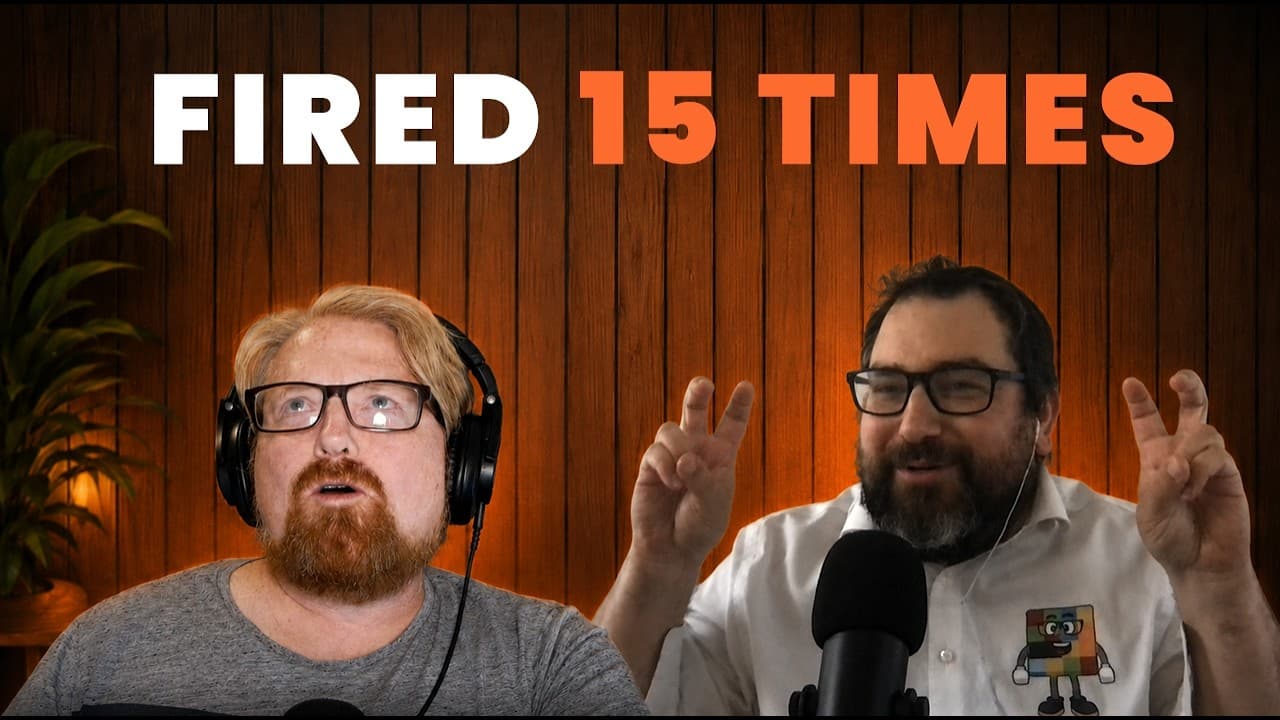
He was also removed from or left many jobs, contracts, and organizations after conflicts over expectations, communication, or his deliberately unconventional style. Those experiences widened his cultural perspective and forced a long process of learning when provocation created useful attention and when it simply harmed trust. He came to accept that choosing an unconventional career also means handling sales, product development, criticism, and uncertainty without the structure of a standard profession.
Encoding songs as a visual learning system
Song Puzzle grew from Mike's interest in cryptography, language, visual systems, music, and teaching children to code. He wanted a human readable code that could represent songs and difficult texts across alphabets rather than requiring every learner to master a script first. The system maps speech sounds and letters into numbers, colors, and shapes on a consistent grid. Mike has spent extensive time testing formats, documenting the method, and developing patent materials.
The product remains in research and early commercialization, with kits available but no established sales base described in the conversation. Demonstrations have shown the emotional potential as well as the educational one. Mike has used an encoded song to reproduce music from a listener's childhood language despite not speaking that language fluently, connecting technical representation with memory and recognition.