
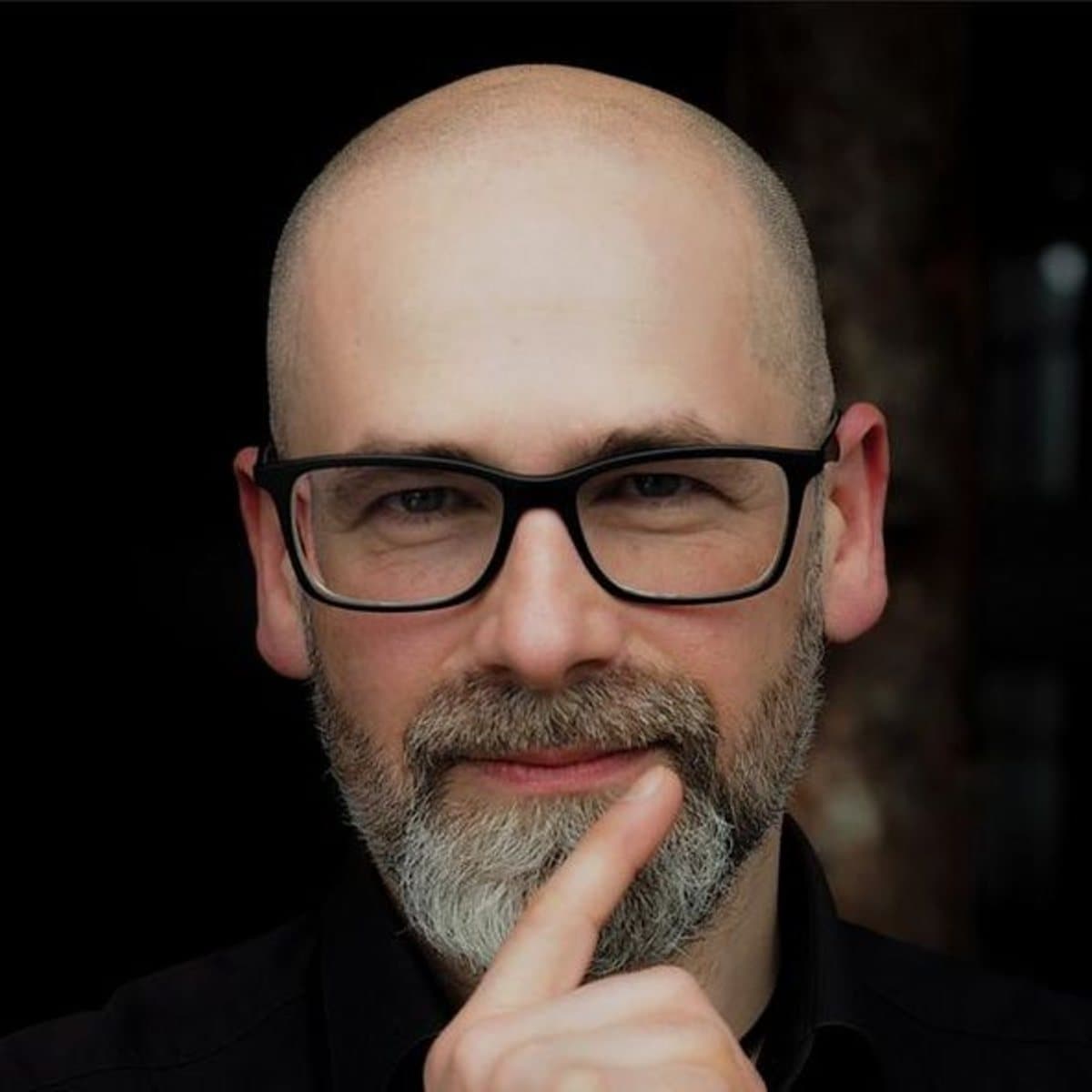
The story of Jay Latta
Art carried what could not be said
Jay grew up in communist Czechoslovakia, where public language and private truth did not always match. Art offered another vocabulary: a way to carry ideas, identity, and dissent when direct expression was constrained. That early relationship with creativity stayed with him long after the political environment changed.
Migration widened the operating world
Migration to Germany widened the field. Jay moved through technology, innovation, and communities willing to connect disciplines that institutions usually keep apart. The experience gave him a practical understanding of belonging: new environments can create freedom, but only communities turn that freedom into durable work.
Unconventional ideas needed new support
Future Perfect emerged from the belief that unconventional ideas often become legible to communities before they become legible to conventional funders. Jay’s work asks who gets to recognize value, who gets to support it, and how ambition changes when “enough” becomes a deliberate boundary rather than a failure of scale.
Jay Latta recommends three sheets of paper: describe the ideal outcome, the next-best option you could accept, and the situation you refuse to enter. He considers the third sheet especially important because people can drift into work they dislike without ever articulating their boundaries. Listen at 1:10:05